Getting the Economy Back on Track: Essential Support from Libraries
March 16, 2021
Lorensbergs

Libraries have a long track record of providing support during economic crises. In times of hardship, they offer invaluable resources and advice to many in need. Now with a severe recession to weather and overcome, the library’s role is more important than ever. In our latest public library survey results, its part in getting the economy back on its feet was strongly evident.
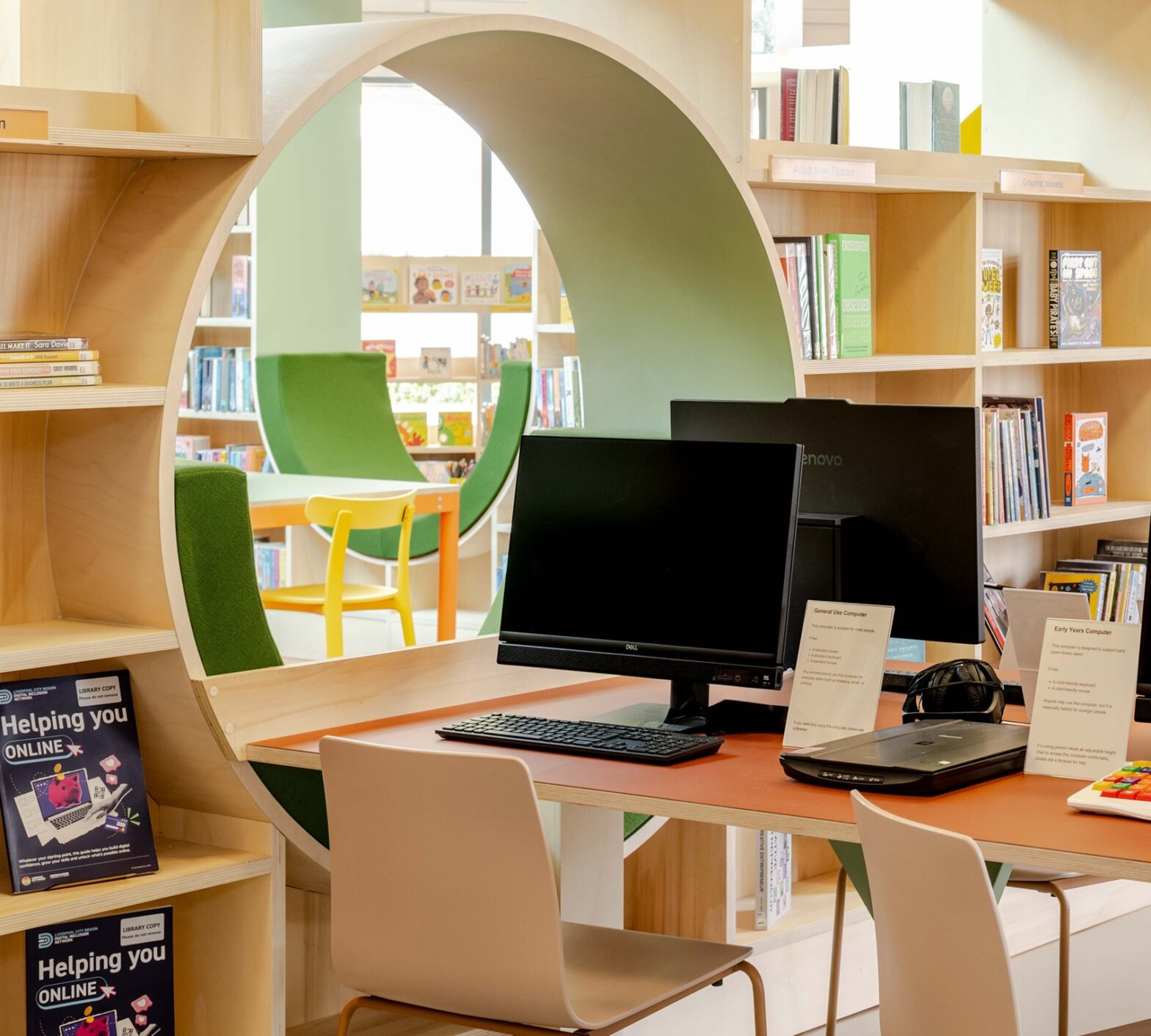
Firstly, there’s the People’s Network of library PCs, essential to jobseekers and for digital skills development, which the majority of library authorities when possible have continued to provide through the pandemic. Then for dedicated business support, there’s the BIPC (Business & Intellectual Property Centres) network located in a number of libraries across the UK.
As a British Library initiative, the BIPC programme supports small business owners, start-ups, entrepreneurs and inventors with an array of online subscription resources, events, training and networking. It helps new businesses get started and existing ones to survive and grow.
Lorensbergs caught up with Ruth Hawley, Senior Library Officer at Nottingham City Libraries, who runs the central library’s BIPC and also provides employability support. We discussed the services provided, the kinds of help that businesses need, and plans for the future.
What’s been the library’s role supporting businesses and jobseekers since the pandemic began?
The last year has seen a lot of businesses needing to reinvent themselves to remain viable. Business customers have contacted the BIPC for advice on how to change their business models and start operating online, how to set up websites and use social media. Others have identified new business opportunities after losing their jobs and need IP (Intellectual Property) guidance.
So many people have had to take a fresh look at their business plans, to navigate finance options and furlough. Not everyone automatically thinks of libraries in providing this kind of help, but it’s a service the BIPC has provided for many years. Awareness is growing and we expect this to continue in the months to come.
When unemployment goes up you often see library memberships rise and borrowing of job search books and other nonfiction titles increases. Of course, this time round it’s included a lot of ebook use, for example, titles on interview techniques are proving popular. PC sessions rise in demand as more are looking for work who don’t have internet access at home. And more help is needed as people realise they need to get to grips with the digital world to be able to get on. We expect demand for computer time and advice to really increase when our libraries properly reopen.
In my role supporting employability, I organise Work Club sessions to help clients develop their interview skills. For some it’s a long time since they’ve had an interview and they don’t know where to start. People turn to the library for help and advice. We’re here to support jobseekers with upskilling. People need to learn how to use PCs and devices, or how to join zoom calls for job interviews.
What’s it been like offering business support over the last year?
At the beginning of the pandemic, the British Library quickly gathered information to assess how best to help businesses at this time. It identified some key areas including advice needed for business grants and the furlough scheme. It was a great start in guiding regional BIPC efforts to support their local economies.
As well as providing support directly, we’ve drawn on the help of a number of partners and a strong local network to get clients to the best advice quickly. Partners include D2N2 Growth Hub, local universities, Chamber of Commerce, Federation of Small Businesses, the Princes Trust, DWP and local job centres, Futures (part of National Careers Service), and also Nottingham Council’s own Economic Recovery Unit.
So we offer very joined up business support. It’s especially important in recent times, as we’re all needing to manage with fewer resources. And of course, we’ve needed to re-imagine how to deliver our services to ensure we all remain safe. We’ve had to move a lot of them online, both face-to-face advice and our workshops. It’s not been easy with staff remote working too, but it’s vital we’ve been able to continue offering support.
What kind of people use your services?
People starting new business ventures or needing to rethink their existing concerns. Some have been made redundant, others are taking the opportunity to turn hobbies or side interests into viable businesses. They often need IP advice, to see if their idea or brand name is original, check for and register trademarks, and protect their own IP. For example, one customer wanted to protect her greeting card designs from being copied after moving her sales online.

What’s the role of library computers at the BIPC?
The People’s Network computers controlled by Netloan in the BIPC offer access to subscription databases. They cover company data, industry reports, and IP information.
We give support, helping users search the databases while offering direct advice. It’s easier to do this face to face at the computer but with our libraries currently closed due to lockdown, we’re sending out reports to those that need them. For example, if someone is considering starting or expanding a coffee shop business, we’ll generate a report on coffee shops in the UK.
There are challenges with at least half our PCs switched off in our libraries at present for safe distancing. Some library sites are easier to adapt than others. More modern library buildings tend to be more flexible in use of space. Fortunately, some suppliers have enabled us to provide temporary logins for users to access the subscription resources remotely for now.
Why are your services so important at this time?
We see libraries as economic enablers. They support people in becoming financially independent. The resources they provide, with the added support and neutrality – it makes them unique in what they offer to those in need. It encourages people to use them when they might not be confident in trying elsewhere. With some highly deprived areas of the city, this is so important, for reaching people, for creating aspirations and making things happen.
What are your plans for the future?
Right now we’re launching the Reset. Restart program which provides 6 months of free webinars and one-to-one support. It’s designed to transform, future-proof and grow businesses through the pandemic and beyond.
We look forward to the day when our central library re-opens in a new building (plans were afoot before the Covid interruption!). We can resume face to face services and customers can come in to carry out their own research. We are also excited about the expansion of the BIPC network, with plans for city centre services to be rolled out to branch libraries and for more satellite regional sites to open throughout the UK.
With thanks to Ruth Hawley, Nottingham City Libraries, for sharing insights to how libraries support local businesses. Further information on Nottingham’s local Reset. Restart programme is available here.
Next time we find out more about the origins of the BIPC network and its plans for growth, from Dave Gimson, Business & IP Centre National Network Manager at the British Library. Watch this space!!