Libraries’ Footfall Recovery Strategies
October 31, 2022
Lorensbergs

Discussion groups on the topic of library footfall formed an important part of our recent netloan user groups. They provided a useful forum for our customers to come together and hear what’s working for getting more users back through their doors.
At the time of the groups in November, 60% of former footfall levels was the average being experienced. By end of the year and the conclusion of the annual customer survey, this had risen thankfully to 70%. Footfall is continuing to increase, albeit slowly. It seems sustained efforts are driving steady results.
In preparing for and reporting on the user groups, it’s been useful to review efforts under the following categories:
• Re-find and reconnect with your audience
• Explore new avenues and try new things
• Run events and services that offer clear, attractive outcomes
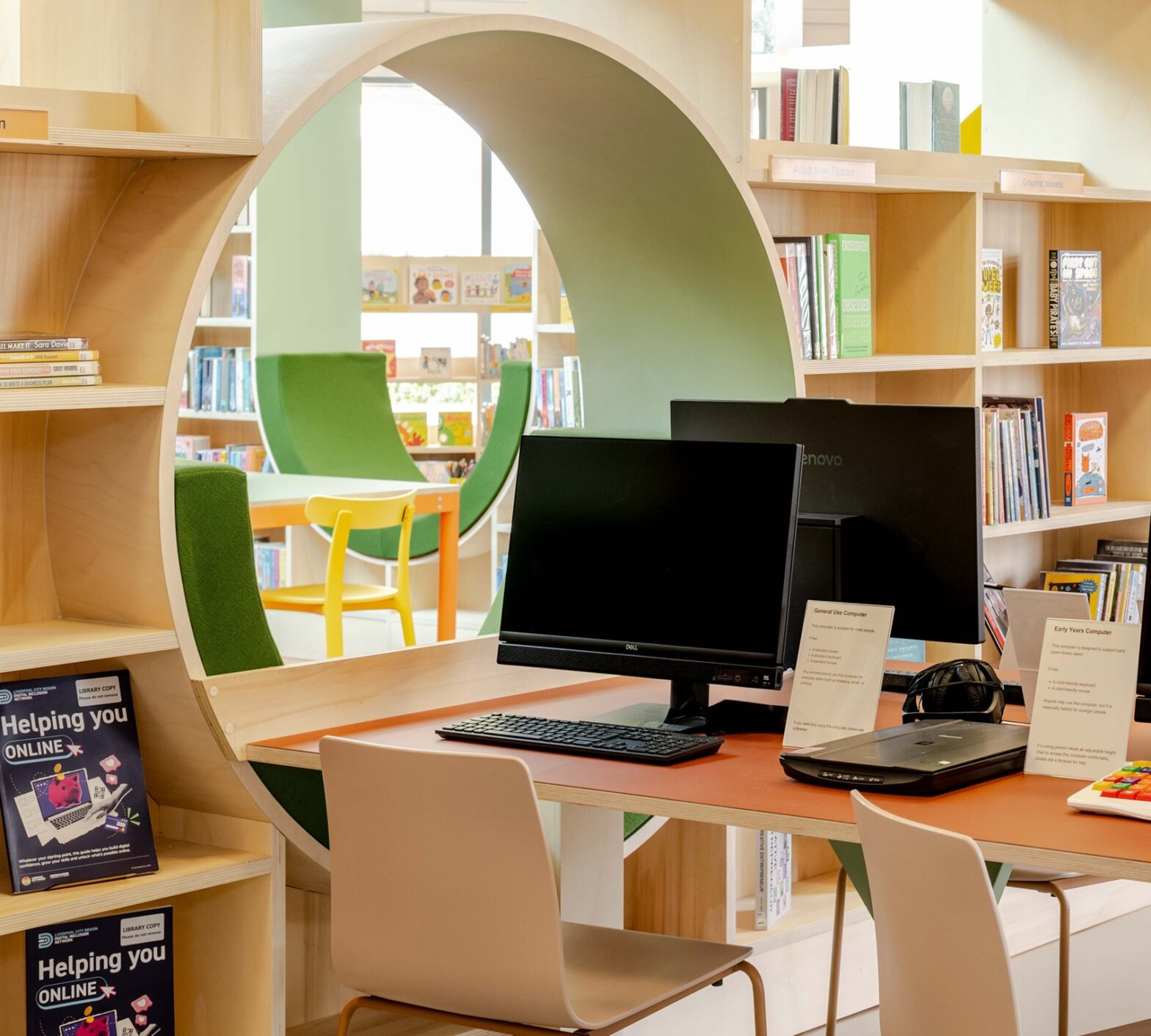
• Provide a modern experience with support from latest IT
• Partnerships bring new reach and make more possible
So we can see libraries are using a range of tactics to encourage users to return. This blog summarises how each kind of approach is an important part of a complete footfall recovery strategy. Further discussion with numerous examples of libraries’ activities are available in the full discussion group minutes here.
Re-find and reconnect with your audience
Libraries recognise that users have developed new interests over the pandemic years. An important case in point is younger users, who have grown up over the pandemic years and need to ‘re-find’ the library. New initiatives, groups and events are being used to encourage these former users back in. They are also helping to find new users. In some cases, events are taking place beyond the walls of the library, literally going out into the community to draw users back.
It’s not only new initiatives that’s helping libraries to re-find and reconnect with their users. They are also resuming their tried and tested events and activities. If these have been popular before, it makes sense to restart them. There’s less risk and good opportunity to welcome back the users who previously liked or depended on them.
Of the two tactics, new versus tried & tested, marginally more libraries have been using the latter. A combination is probably the safest bet though. Take a look at the first two sets of results on the following chart to see what’s been working here, along with other approaches:

Explore new avenues and try new things
Some activities work better for some sites or venues than others. A big success or failure might change when you try it elsewhere. Also to note that while new staff or staff in new roles are still finding their feet, it’s also at this time they are most likely to think of fresh ideas that could make the big difference. Some interesting, exploratory initiatives are listed in the full discussion minutes here.
Run events and services that offer clear, attractive outcomes
Publicise the difference your services offer, both the benefits they provide or the problems they solve. Also, make sure they are labelled as such, so they attract and entice users in. Branding ‘after-school activities’ as Family Hour is a great example of this. Also, to note here that good marketing and communication is as important for attracting an audience as it is for internal recognition and support. Wiltshire Libraries circulate ‘Good News Stories’ to senior decision makers and IT staff within the Council which showcase every week the critical support they offer library users. Examples are provided in the minutes here.
Provide a modern experience with support from latest IT
We have heard many times how helping users with their IT queries or problems has turned visitors into regular PC users. Libraries are reporting increased footfall to use IT from a range of demographics and are seeing pre-Covid regulars returning in greater numbers. Printing continues to be in strong demand.
In the discussion group minutes, we look at how libraries are using netloan PC booking settings to support their users and encourage greater PC use. Key demographics and new support requirements (multi-factor authentication anyone?!) are also discussed.
Partnerships bring new reach and make more possible
Some in-demand services are labour-intensive, making partnering an important strategy to increase the capacity to deliver. Most importantly, it also grows the library’s reach. Some of the initiatives that have demonstrated the greatest success in footfall numbers have simply involved working with other council departments and clearly communicating availability of library services to residents. Netloan customers have related examples of inter-department working that resulted in thousands more users entering their doors. See the discussion group minutes for further details.
In conclusion, libraries have a proven track record of recognising and quickly responding to the changing needs of their customers. While approaches to regaining footfall are often still in experimental phases, there are already many successful examples. We are confident libraries will continue to persevere and see greater numbers returning and re-finding all they have to offer.