Looking for Connect2? Visit the new website at www.connect2software.com

News and insights from Lorensbergs

October 6, 2026

London Libraries: A Shared Vision for Digital Inclusion

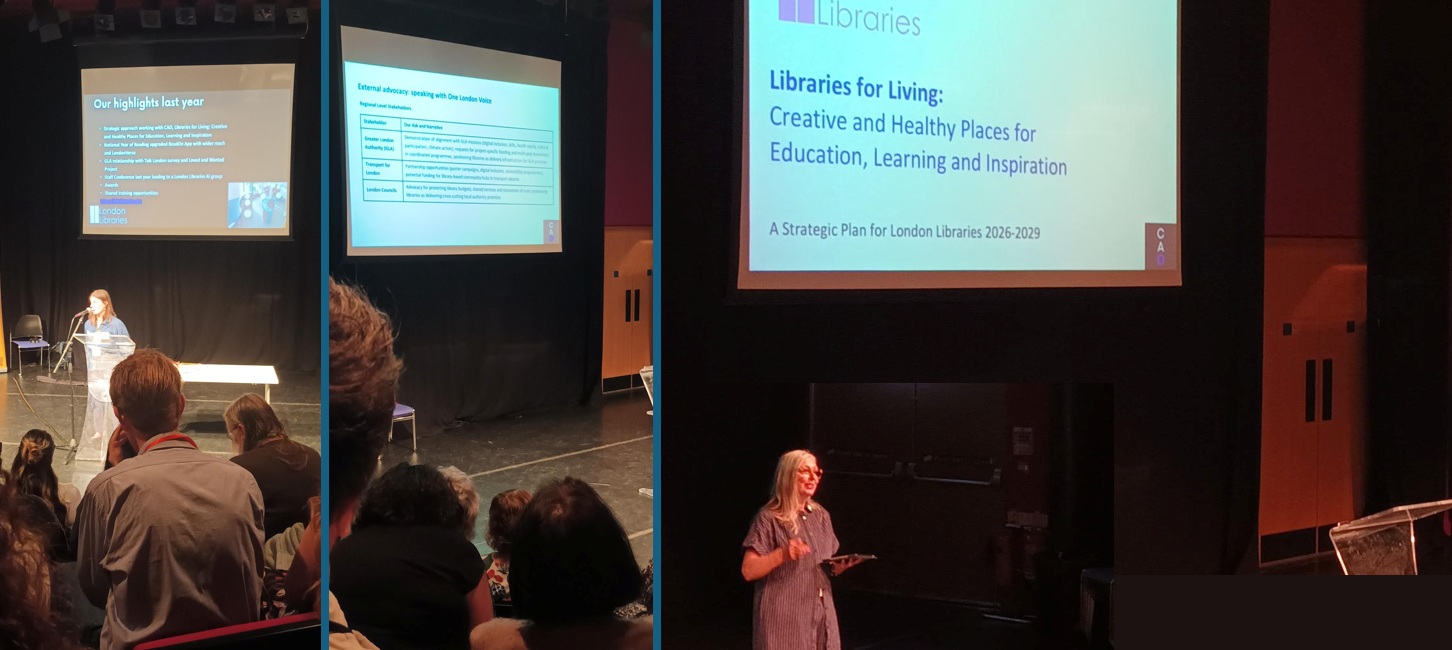
At last month’s London Libraries Conference we were delighted to participate in what was a thought-provoking day of discussions and presentations. With 20 library authorities in London amongst our customers, it was a great opportunity for Netloan account manager Jo Slade to catch up with this community and hear more widely about priorities, ambitions and challenges shaping library services across the capital. The session Libraries for Living: Designing and Delivering a New Strategy for London Libraries included the underlying need for coordination in delivering digital inclusion. This priority already features in Greater London Authority missions and presents a partnership opportunity between libraries and Transport for London. It’s certainly good to see that digital inclusion is one of the foundational promises of the new strategy, for libraries to be the trusted gateway to information and digital confidence. We couldn’t agree more, and are here to support you. We are proud to provide technical expertise in providing computer and print services tailored to these needs. Many already view Netloan as being integral to supporting the People’s Network, and the vast majority of customers rely on our experience and service for delivering robust print services too. See our article here on how our print services enable libraries to go above and beyond in supporting their users. The key promise for libraries to be the gateway to stories, information, creativity and cultural life was also discussed at the conference. A well designed library with the infrastructure to support information access and engagement is equally supportive of creative and cultural participation. With the drive to build AI confidence also featuring, we point to our recent AI research, available here. An extract from this research describes libraries as “The gateway for the digitally excluded to be able to assess and embrace AI, thus performing a crucial community and social role” – as one London Library and Archives Services Manager told us. A further priority in the strategic plan is to gather evidence regionally and locally, providing insight, speaking with a compelling and unified voice to the decision-makers. Here too, we want to continue providing London Libraries with useful support – alongside all those across the UK and further afield. With supplier relationships with over 60% of London Libraries, our advocacy and research programme is a valuable source of data to which they contribute each year. All libraries are welcome to draw on it as evidence in their own advocacy efforts – you can see the latest results here. We regularly hear how these findings help libraries demonstrate their value and strengthen the case for recognition and investment. As London Libraries moves forward with its new strategy, the themes of digital inclusion, access and confidence all reinforce something we see every day: libraries provide essential infrastructure for participation in modern life. We look forward to continuing to support that work through our technology, expertise, research and advocacy that help libraries keep turning their ambitions into strong, accessible services for their communities.
Read More

Luton Library: Space to Pause, Focus and Connect

By Joanne Slade, Netloan Account Manager. As I walked through Luton town centre on my way to a meeting at Central Library, I was struck by just how perfectly the library is located. I was a few minutes early to meet with our Netloan customer there, and found myself pausing and reflecting on what the library represents to the city’s inhabitants. The town around it was busy – people travelling, shopping, meeting or simply passing through. Step into the library, however, and the atmosphere changes again. It was quieter, but quietly busy, nonetheless. The ground floor is now a family support hub, with the library occupying the upper floors. The first floor is the main library level, home to the principal collections and the relocated children’s library, alongside public computers, seating and study areas. What struck me most was how the space was being used. Around two sides of the first floor, looking out towards the town, were rows of child-sized desks. Every PC seemed to be busy, with young children happily occupied while mums sat nearby, perhaps managing to grab a little quiet time of their own. Looking upwards, the second floor and mezzanine create another open library level, connected by a prominent staircase and overlooking the floor below. With more shelving, desks, computers and quieter study areas, the effect is of one tall, open library spread across two connected levels. Up here I spotted some particularly clever pod-style desks, giving adults a little privacy for studying or working. These PCs were busy too, with people cocooned in their own individual spaces, focused on whatever task they had come to complete. That was probably my biggest impression of Luton Central Library: it was busy, but in a completely different way from the town centre outside. People weren’t simply passing through. Children were occupied, parents were finding a little breathing space, and others had carved out somewhere to concentrate and get things done. Right in the middle of a busy town, the library was providing space for people to stop, spend time, and have a better day.
Discover More

Great Yarmouth Techathon: A community collaborates for brighter futures

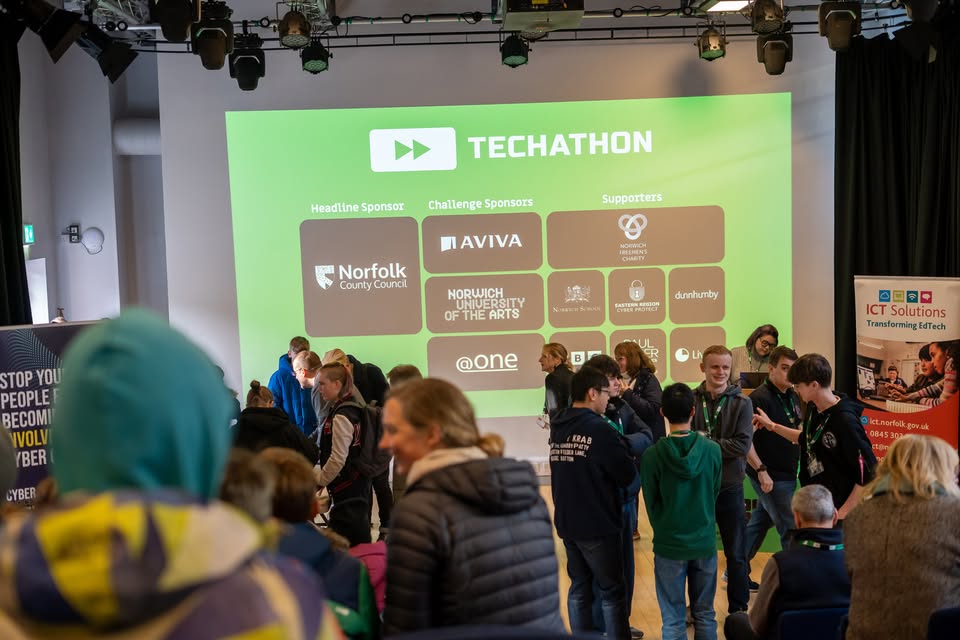
Norfolk Libraries’ Techathon award nomination, at the recent Libraries Connected seminar, recognises the special talent libraries bring for inclusive skill-building. Lorensbergs spoke with award nominee, Sarah Brewer, Norfolk Libraries’ Locality Manager, to get a breakdown of what was actually involved in delivering this highly successful event. What is particularly exciting is the libraries’ success in winning the participation of what can often be a hard-to-reach group. Teenagers featured strongly amongst the throng of young participants, with some returning for further digital challenges. It has developed their skills while putting them in touch with future local employers. This is what the Great Yarmouth Techathon was able to achieve, plus we look at some tips for organising similar events of your own. What was the Techathon? The event brought together more than 100 young people to learn new digital skills and grow their enthusiasm for technology. Its underlying idea was to give young people opportunities to use technology collaboratively and solve problems. The event demonstrated how digital interests can develop into valuable skills and careers with local recruiting companies. At the same time it encouraged technology use in an appropriate, safe environment. A techathon event had already been a success in Norwich. The initiative originated with Step Into Tech, a Norfolk-based social enterprise which provides resourcing and helps with organisation. The Great Yarmouth Techathon was staged last October at The Place, the new combined library, adult learning and registration services space which shares a historic town centre building with the local East Coast College. The two-day format comprised opening presentations, team challenges, supported technical work and a final presentation of what participants had achieved. Local businesses were involved in setting challenges and supporting the event with prizes for best work. Above: The Place is the new combined library, adult learning and registration space located alongside East Coast College. What worked and why While hosting the event in a combined space, leading with the library really mattered. It’s somewhere people of different ages feel they belong, rather than a service associated with one particular need or demographic. The library’s relationship with a local school led to a number of spaces being paid for to enable pupils to participate. The regular fee was £10 per place, which was unfortunately out of reach for parts of a diverse community.  “Even when something represents good value, that doesn’t mean everyone can afford it,” Sarah explained – a reminder that acting to remove risks of digital exclusion involves removing financial barriers too, ensuring there’s free access to technology. Above: The Techathon was extremely popular, here pictured during a team challenge; A poster displays what was included at the event, with free places offered via a local school. Sponsorship, coordination and resourcing sourced through Step into Tech, also enabled the event to be more accommodating and appealing, with lunch included and prizes from local employers. While the library was the host and public-facing gathering point, East Coast College provided classroom space and a private network better suited to controlling access for the event’s online exercises. As a library partnership with the college and other parties, it enabled the organisers to be more ambitious, with the space and resourcing capacity to deliver an event at greater scale. Local businesses as partners Local employers were part of the Techathon’s success, and much more than simply names on a sponsor board. Aviva and Kier Construction were among the organisations supporting the Great Yarmouth event. Industry mentors helped teams tackle real-world challenges and gave young people an opportunity to encounter the people and skills behind different careers. Kier’s careers-focused presence at the Techathon with its slogan ‘Build your Career at Kier’, helped make the connection between the activities young people were enjoying and the opportunities those skills could eventually open up. Sarah explained how young people do not always realise how much science, engineering and technology is involved in the companies operating around them. Bringing employers into an informal, creative event like the Techathon enabled them to introduce young people to sectors they might never have considered, with technology skills relevant to local career options. Measures of success Aside from the large event being fully subscribed, participant feedback shows that it delivered some great outcomes. In particular, parents reported quieter children coming out of themselves and becoming actively involved with their groups, putting forward their own ideas. Parents also saw that time spent on computers can be constructive, especially when it involves teamwork, creativity and purposeful activity. Is the Techathon something that Great Yarmouth Library will repeat? With children and parents already asking when it might return, the appetite is certainly there. Its scale means it is more likely to be a special event staged every couple of years, allowing time to bring together the right partners, sponsorship and support. In the meantime, Norfolk Libraries continues to give young people reasons to return through activities such as its annual DigiFest programme. In fact activities that had previously been difficult to fill have become more popular, with young people actively looking out for similar opportunities. From coding clubs, robots and stop-motion animation to a local constabulary-run digital escape room, these smaller-scale events help sustain young people’s interest in technology and in the library itself. Seeing the same young people who attended the Techathon return for these activities is strong evidence that a major event can act as a gateway to ongoing engagement. Winning with digital inclusion The Techathon demonstrated how young people can develop confidence, and exercise creativity and collaboration with the library’s support. With the involvement of local partners, it strengthened a sense of belonging and pointed to positive prospects within the local community. Moreover, the event showed how ‘digital inclusion’ extends beyond access to devices and connectivity, making it equally about confidence, creativity, collaboration and pathways into future opportunities. Most notably, it gave opportunity for the library to engage older children and teenagers, helping to prove the library’s relevance in the time between childhood programmes and later adult and family use. In this light, the library is seen as dynamic and welcoming, both as a space to spend time and as an inclusive organisation.
Discover More

Unconditional Spaces: Why Digital Access Belongs at the Heart of Library Design

Reflections from this season’s library conferences on belonging, societal value and what inclusive library design needs to deliver. Libraries are uniquely placed to build societal value and a genuine sense of belonging. Every day, they create welcoming spaces, connect people with support and opportunity, and help communities become more inclusive, resilient and informed. The challenge is not whether this value exists, but how to make it more visible. That question ran through three library gatherings we attended in June and were pleased to sponsor: the Libraries Connected seminar, the CILIPS conference in Dundee, and the inaugural National Designing Libraries Conference in London. Across all three events, one message stood out: libraries have a powerful story to tell, but evidence matters. Some forms of impact – such as digital participation and engagement with services – can be quantified relatively easily. Others, including belonging, confidence, connection and wellbeing, are less tangible but no less important. Finding practical ways to capture both is essential to securing recognition, increasing investment and shaping the libraries of the future. Measuring the value of belonging At the Libraries Connected seminar, public library representatives came together to explore the significance and ways of measuring this impact. One interesting example came from Durham and their Social Value Knowledge Hub which includes measures to capture activity that create local skills and employment, and healthier, safer and more resilient communities, amongst other important outcomes. Meanwhile at CILIPS, Jeanette Castle from the University of the West of Scotland presented the findings from her research project on the Impact of Scottish Public Libraries on Loneliness. Initial findings point to their importance in providing safe space, community place, a form of escape, warmth, social contact and concern for wellbeing. Where digital data can help Where support and interactions in libraries involve technology, this is in some ways easier to measure. All libraries will be able to see number of PC sessions and users. Application use on PCs can also be set up and measured (contact your Netloan account manager if you need guidance here – it’s a topic we tackled at our last user groups). Use of printers, makerspace equipment and activities that use these resources are relatively easy to track. Most libraries are also able to report on number of Wi-Fi users too, although some may need the help of IT colleagues for this metric. Designing libraries for connection and discovery At the inaugural National Designing Libraries Conference at Swiss Cottage Library, societal value was explored further. The need for libraries to support human connection and self-discovery was highlighted by Sonia Ramdhian, CILIP’s Chief Development Officer. This is especially important for young people as places ‘where no permission is needed’. Laura Dyer, Deputy Chief Executive of ACE, stressed the importance of libraries being at the table during discussions around placemaking, high streets and urban regeneration. Past data combined with maintaining a clear vision of the future is key – as highlighted by Library Building Consultant, Karen Latimer. It’s a strength that libraries are well positioned to bring to such planning committees. Perhaps most importantly and simply, societal value is truly built when libraries make people feel positive and part of something bigger. Libraries attract people by emanating and nurturing a sense of belonging, calm, curiosity, community, access and imagination. These are the expressive terms consultant Dr Emily Peasgood arrived at to condense down what an ideal library really needs to encapsulate. From this A Manifesto for an Inclusive Library was created following the consultative phase of the Haydock Library project at St Helens. The end product – a re-imagined public library for the local community – is truly inspiring. For the PC offer, inclusivity has been truly achieved with computers set up to cater for every need, supported with clear signage. Computers at Haydock Library Image here and at top of page by FRENCH+TYE, 2026 Front left: PC for general use; Front right: Early years computer with child-friendly keyboard and mouse; Back left: Computer with accessibility features including large screen, large-text keyboard, trackball mouse, headphones to support text to speech, and accessibility tools switched on; Back right: Vision support computer with Braille stickers on keyboard and visual magnifier for reading documents and books.Signage next to each PC states what’s included and encourages users to ask staff for any support required, including help using the accessibility features or for an adjustable height chair. As at the other conferences, academic input added deeper scrutiny of the challenges and opportunities that libraries need to grasp, which helped bring greater clarity. Patricia Aelbrecht and Melissa Turgut from Cardiff University in partnership with Camden Libraries presented how library value is everyday, practical, and necessary, and how belonging develops through ordinary repeated presence. In this way, libraries may function as extensions of home and as ‘unconditional spaces’. PCs and printing in libraries are a practical expression of that principle: they allow people to complete essential activities without needing to purchase something, own equipment or justify why they are there. Clearly it follows that public technology should be considered from the outset of any library design or refurbishment. As Sonia Ramdhian highlighted, library spaces can be as powerful as the services delivered within them, strengthening activities that range from information discovery to gaining digital skills. PCs and printing should not be treated simply as equipment to fit into whatever space remains. Their visibility, accessibility, positioning and proximity to staff all affect whether people feel confident and able to use them. Thoughtful design can provide quick-access computers, quieter workstations (e.g. giving privacy where needed), accessible technology, workstations for assisted digital support, space for customers’ own devices and clearly organised printing and scanning facilities. The original People’s Network established public libraries as vital gateways to digital access. Today that role remains fundamental, but it encompasses more than connectivity alone. Reliable equipment with appropriate software, well located and integrated into the library design, encourages people to participate fully in an increasingly digital society. Making the most of LIF – An opportunity for digital ambition Since 2023, ACE has funded 123 projects through the Libraries Improvement Fund, with libraries achieving a 30% success rate – interesting stats as presented by ACE’s Laura Dyer. Competition is therefore strong, but successive funding rounds give applicants opportunities to learn, refine their case and return with a stronger bid. An unsuccessful application should not discourage libraries from developing their ideas further and applying again. There is certainly scope for libraries to make more applications for digital projects which remains a particularly promising area. While a number of funded schemes include equipment or technology upgrades, most have centred on buildings and physical infrastructure. However, LIF guidance makes clear that the fund is not limited to building projects. Digital infrastructure and software can be the main focus of a bid, giving libraries scope to be more creative and ambitious about projects that improve services by widening digital access. And of course originality matters, as is the objective of supporting greater digital inclusion – either way the encouragement is definitely there from ACE to make your project one that’s technology-based. A library is never finished A library is never finished“A library is never finished,” said Ayub Khan, Director of Designing Libraries. It was a fitting conclusion to the conference, summing up the vision, resilience and continual development that libraries bring to their communities. At Lorensbergs, we look forward to supporting libraries as they gather the evidence, secure investment and develop the digital services that help people feel connected, included and able to thrive. Because when libraries continue to evolve, the societal value they create can grow with them. Further reading National Designing Libraries Conference news and presentations Emily Peasgood Studio – Haydock Library project Supporting Visually Impaired Users in Libraries – Lorensbergs The Human Value of Public Libraries in the Age of AI – Lorensbergs Forward Thinking for the People’s Network – Lorensbergs
Discover More

The Human Value of Public Libraries in the Age of AI

New research from library staff across the UK and Ireland reveals what AI can’t replace. The speed and reach of AI development is causing society to experience a cultural shift. It’s changing how people search for information, get answers and make decisions. As AI tools become part of daily life, it’s causing public libraries to reflect on how their role could be impacted. Over a 6-week period, Lorensbergs collected nearly 80 responses from library staff at a series of public library conferences, from library assistants to heads of service. We asked one question: In an age of AI, what is the human value of using a public library? Here’s a summary of what the answers revealed, with a full report available to download from here. Connection comes first – 46% Almost half of respondents pointed first to human connection. For many, the library is a valued place where they can rely on having a conversation with another person:Combating loneliness, social interaction and communication between people to boost health and wellbeing  – Library Service Coordinator, Wales Empathy. Conversations when the customer may live alone and a library staff member may be the only human conversation in a day or week  – Librarian, Northern England AI can answer a question. It cannot be a building, a familiar face, or offer an experiential dimension to spending time, finding support or participating in activities:The ability to see the physical reference material, to use computers to look up knowledge, to speak to a physical being – Library Operations Manager, Midlands, England In summary, the attraction of being physically present to use services, resources and events, in what is seen as a social setting, cannot be underestimated. Trust in an age of uncertainty – 24% A quarter of respondents named trust directly, often in contrast to AI’s known accuracy problems. Several raised concerns about misinformation and unreliable AI answers, presented as facts. Reliable and trustworthy verified information  – Librarian, Ireland Having accurate helpful responses for humans instead of weird AI hallucination answers to your questions  – Systems Librarian, Ireland A prison librarian in Scotland raised a further point about trust and integrity: Humans understand copyright laws and generally agree to follow them  – Prison Librarian, Scotland A strategic manager in Wales summed up what’s on offer: Libraries offer guided support, human judgement, and ethical stewardship of information in ways algorithms cannot – places where people can learn, belong, and think freely together without being treated as data or customers  – Strategic Manager, Wales Professional judgement, not just information – 18% AI can generate an answer to almost anything. What it struggles to do is tell you which answer is right for you. As one head of libraries in England put it, borrowing a well-known line:Google can bring you back 100,000 answers. A librarian can bring you back the right one  – Head of Libraries, Northern England A library assistant in Ireland went further, connecting curation to critical thinking itself: The value of having a variety of contradictory reading material in one place to teach us to think critically and evaluate different sources. This skill is so important with the increasing pressure of AI  – Library Assistant, Ireland Another respondent linked professionalism and good judgement to safety: AI isn’t going to ensure that it’s giving safe, appropriate information to vulnerable people – Engagement and partnerships manager, London Bridging the digital divide Not everyone has equal access to AI. For some people, the library is the only way in – both to the internet and to supported AI use: The gateway for the digitally excluded to be able to assess and embrace AI, thus performing a crucial community and social role  – Library and Archives Services Manager, London A further respondent focused on the safety aspect of using AI and the support that libraries provide to users with lower digital skills: Being able to come into the library to access the tech to have a staff member show them how to get online and how to safely explore AI  – Library Manager, London A level-headed response Despite the fast pace of AI’s rise, library staff are responding with composure. Many see AI as simply the latest tool to take in their stride, and are able to help users take an informed and positive approach to using it. AI is just another tool to learn and use – good if you embrace it  – City Librarian, Ireland AI is just a tool that can assist human intrigue. Libraries don’t need to change, just regard and support through the change  – Development Manager, London Conclusion Library staff are responding to genuinely new challenges – a wave of disinformation and deep fakes, a digital divide that risks leaving some people unable to access AI at all, and a public that increasingly needs help telling accurate facts from AI-generated misinformation. Meanwhile, what they offer is well practised: trust, judgement, and an environment supporting essential human contact. AI has not created the need for these things – it has simply made their absence in people’s lives more starkly visible. Technology will at some point fail or simply not have the answer. This research shows that trained, trusted professionals are always ready to help. Moreover, they are well placed to support society navigate through the opportunities that AI presents, bringing balance and good judgement along the way. That is not a nostalgic view of the public library. On the evidence presented, it is a fair description of its value today, and in the years to come.
Discover More

Printing in Libraries: Technology to Tailor Your Offer

Printing in libraries is a hugely popular service. It’s the most affordable and convenient option available on the high street. In fact, it’s very often the only option – libraries fulfil an essential role with other print providers few and far between. With so many documents accepted in digital form these days, it may be surprising to some to hear just how important printing services remain. Not everyone has access to a computer or even a smartphone to store and view documents – around 1.6 million people in fact. Add to this the 8 million in the UK who lack basic digital skills. And of course, most of us need to print out a ticket, document or correspondence at some point, and not always when we’re in reach of a working home or office printer. Library staff will be able to vouch for just how important their printing services are. In our 2025 customer survey, printing from library PCs was rated essential by nearly 95%, with almost 90% rating own-device printing to library printers as at least important, and nearly 50% rating it essential. So it’s critical they have the right print software to support their operations and their customers. Help where it’s needed most Many library print customers may be out of work or retired. Some may be from underprivileged groups or with particular needs. Libraries are very adept at supporting these demographics and at Lorensbergs we’re mindful that our software supports their work. Print management is fully integrated in the Netloan library solution, enabling staff to easily assist library users with printing tasks from either PCs or their own devices. Users follow a familiar printing workflow and are kept informed on print options and price. Clear signposting on how to pay for and collect their jobs means print queries are kept to a minimum. So staff can focus their attention on those in most need of their support. More than this, the Netloan solution makes it possible to provide print discounts to those groups that meet library policy. These discounts are applied automatically. It’s easy to configure the Netloan system to provide this support. Netloan authenticates to the Library Management System, so any user group categories are recognised in the print system allowing their particular needs to be accommodated. Here are some example scenarios that this functionality supports: 10 free prints each to schoolchildren, for support with projects and homework. This of course will incentivise more to make use of library facilities too with the help of a little publicity Cheaper printing for senior citizens, the disabled or visually impaired Discounts and/or free print allocation to registered jobseekers e.g. to make CV and job application printing more affordable Classes such as Adult Education groups – an example library has set up this group’s printing to bypass print release for faster and free-of-charge printouts during tutor-led classes A big advantage of having a combined PC and print management system, such as Netloan, is that the special print allowances you provide to certain groups can be reflected in PC session privileges too. So for example, if disabled users are typically taking longer to print from PCs or complete other tasks, you can allocate them longer session times automatically as well. In conclusion Printing is a service that is essential to library users, so it’s important libraries are supported with the best print technology. Systems that supports your policies for directing help where it’s most needed is available from Netloan – talk to us today for advice and ideas on tailoring your service to meet the varying needs of your community of users.
Discover More

The Art of Successful Library Funding Applications: Collective Strength

It has become increasingly important for libraries to secure additional sources of funding. When core budgets are stretched to cover only the bare essentials, this extra support becomes vital, enabling libraries to develop new programmes and expand the resources they offer. This is the third instalment in our series on libraries and funding. So far findings from recent discussion groups have provided guidance on: Writing the bid – practical tips on how to submit a winning application Staying prepared – how to ensure you’re ready for when the next funding opportunity comes along This time, we’re exploring topics of organisation and teamwork. With input from over 30 library authorities, here’s your best practice list on how to organise and pull together to make successful bids and deliver great projects. Understand your internal processesFormal processes for initiating and managing bids vary by authority, so make sure you understand what the process is for you. In some services there’s a well-oiled process that involves sign off by finance, or possibly procurement, ahead of bids being applied for. In such cases, it’s important to follow the correct procedures e.g. budget codes and authorisation. “We have to request permission before we even apply, and we have to get that permission from our head of finance”Other services had a ‘seek forgiveness, not permission approach.’ One authority mentioned being part of a community hub model and that they are fortunate in having council resource for making bids on their behalf. Know who will take the leadAfter all if lots of people are responsible for making bids, no one is responsible…However, there’s more to consider here. In cases where the same individual always takes the lead, there was mixed feedback on whether they approached funding opportunities with a broad enough approach. Recognising specialisations and expertise of team members and how this is reflected in fund objectives has been a productive way of leading bids:“At my level, there’s four of us each with our own specialism. Mine’s digital, then there’s learning and skills, then health and well-being. If a funding opportunity comes up that’s obviously more linked to one of those, that person will take the lead on it. The first thing we do is to say to our service manager, this is the idea we’ve got, are you okay with us putting a bid together?” Early IT involvement in projectsIt works well when IT sound out initial ideas for new projects. One authority reported holding brainstorming sessions 2-3 times each year which both IT and library management attend: “From an IT point of view, it gives control over the ideas that move forwards and the ones that don’t. If some ideas are barking mad, you can chop them off before they gain any traction.”IT are also an essential contributor for drawing up a detailed, successful project plan as part of the application process:“I get asked a lot for the technical specifications. I hear: ‘Hey, we have an idea, we’d like to do something like this.’ They run it past you and you tell them that’s going to need that bit and this is going to need this bit and then you put all that detail into your funding application. When the funding comes through, you’ve got a de facto project plan and it’s less likely something drops through the cracks.”  Take the opportunity to share information across the councilLibraries are not the only part of the organisation that bids for funding. Can you work with colleagues to enhance skills and experience?There were some good examples of this:“We’ve worked with public health quite a lot, either getting money from them, quite frankly, because they have a lot more than we do. But also, at the beginning when my colleague was learning, they were used to writing bids. So they were very helpful.”Without these relationships, there is much less joined-up working:“No, We’re quite siloed. Everybody’s under pressure. There’s not enough staff. You’re pretty much on your own, to be quite honest. You’ve either got to get the experience by doing it, or you ask around in your own teams.”Bear in mind that good ideas for projects often take a lot of coordination between departments to put into practice. There are usually a lot of third parties involved beyond the library, and especially when you get past the bid writing stage. The advice is to try building these networks and relationships now so they are in place ahead of needing support for a bid and for putting the project plan into action. Group applicationsScottish authorities have worked together on group bids, as have authorities in the WECA (West of England Combined Authority). This has led to great efficiencies in the bid process, being able to benefit from the expertise of individuals in other authorities and working together for a combined use of resource and brain power.Partnering with another authority can also bring originality to your plans which is thought to have helped contribute to successful bids.In these group bids, a single application is made so it’s either win or lose for all authorities involved. Advice is to stay focused in what’s being bid for when multiple parties are involved, and it will help to increase the overall chance of success.Another example involved working together with schools and their libraries. With this partnership, it helped keep momentum up from one bid to the next:“We seem to do several bids every year. We keep things going between us and the schools because of course we have school libraries as well… I would say we’re 60/40 successful.” Make it more feasible to applyThe short lead times, the busy working weeks and the lack of guarantee of success mean that sometimes authorities feel they are just not in a position to apply for funding. They also need to know there’s sufficient resource for putting the project into action if and when they are successful. It’s a calculated decision based on the resources available and activities going on at that time.What helps is to be clear on what it’s possible to bid for. Staffing for projects and/or relief staff cover can often be included, helping to make the whole plan much more feasible and giving confidence for delivering on whatever is agreed. Examples of successful projects So there’s definitely a learning curve involved in being organised and ready to make successful applications for funds. However, the rewards are worth the efforts required. Members of the discussion group reported a number of interesting projects they’d been able to accomplish following such funding awards. These included: Support for annual literature festivals and reading challenges Digital volunteer management and promotion Robots for coding clubs Equipment for filming, videoconferencing and podcasts Community group sewing project ‘Know your neighbourhood’ projects – various events that bring communities together Furniture and play equipment for libraries with gardens and outdoor spaces – sometimes used for garden parties! Travelling cinema programme Library app development Pre-school children programme Staying positive The key takeaway from this discussion is that whatever the outcome from your next funding bid, remember never to feel defeated. There is always hope for next time: “If you’re not successful in the first round, there will be other opportunities potentially going forward.”Good luck and we look forward to hearing about your next great project! Further reading:The annual Netloan Public Library Survey 2025 has just published and provides data and experiences around funding, with ideas on building stronger cases. See the results here.
Discover More

Netloan survey highlights critical role of libraries yet funding falls short

Findings from the 2025 Netloan Public Library Survey, from software provider Lorensbergs, highlight the vital inclusivity facilitated by libraries in an increasingly digital-first world. The results demonstrate the importance of sustaining library services and investing in their future. Library PCs were rated as essential by over 95% of library authorities taking part. They are used by a range of demographics, most frequently job seekers and others requiring additional support including benefit claimants, retirees or others needing digital skills development. However, it is not just individual needs that libraries are supporting. The results demonstrate how libraries represent an essential resource in the delivery of local and central government services, with 80% of library authorities frequently seeing users referred to access their PCs. Anna Crilly, Managing Director at Lorensbergs commented: “Libraries are the default answer to a long list of needs encountered daily by councils, central departments and health organisations. “How do councils ensure all can access their many online services? What do job centres do when claimants have no broadband, data or limited digital skills? Where are people sent for help making doctors’ appointments or understanding more about health conditions? It’s so often the local library, as shown in the latest Netloan survey findings.” The survey explores opinions on current funding levels for libraries and the impact when it’s inadequate. It also examines a broad range of ideas on how to build a stronger case for funding. Investment in library PCs continues but with greater challenges to making ends meet. These include the wide-scale need to upgrade away from Windows 10 which ended support in 2025 and the increase in Microsoft Office costs. Office applications support a range of tasks users seek to accomplish on library PCs.   Crilly adds: “How well libraries are invested in will become increasingly important as technology continues to impact our lives. The support network for those needing help with digital skills development and job opportunities will only grow more critical as new AI efficiencies alter the job market and bring fresh challenges to school leavers, graduates and other job seekers. I hope our research helps to support libraries and power up their case for funding.” The full survey findings are available here. For press enquiries, please contact: enquiries@lorensbergs.co.uk
Discover More

The Art of Successful Library Funding Applications: Staying Prepared

Looking to tap into extra funds this year to develop library services? There’s lots of good advice out there that will strengthen your chances of success. We’ve gathered this up and here provide the second instalment on this topic. It includes the findings from over 30 libraries that joined us to discuss their experiences when it comes to making funding bids. Preparation and planning were important themes that arose time and time again. Here’s how best to stay prepared to make the most of the next opportunity when it comes along: Have some projects in mind so you’re ready for when funding is made availableFunding timescales are often tight and several services mentioned keeping a list of potential projects and ideas that have already had some work completed to support them. This way when new funding is announced, you’ve got a head start. Know which groups or demographics you wish to supportShowing your knowledge and reflecting the specific needs of these groups, then structuring your project outcomes to meet these needs can lead to strong applications:“We will provide a service for job seekers or for refugees or asylum seekers. Or we pick an area and tend to kind of drill down into that and say this is what we will provide specifically for those people.”So get the consulting done ahead: address a specific group and ask what additional services they need. It will really strengthen this kind of bid:“We put out a quick survey to them… We got some really interesting information, and I’m sure that helped with our funding bid, because it was actually the people who would be most affected by the new equipment and services we were getting that we got information from.”Working with partners such as charities can lead to fresh ideas for targeting particular groups, e.g. new initiatives aimed at visually impaired people. One library mentioned being approached by a charity in this way. However, you may need to look for additional partners to attract sufficient funding for scaling up beyond a pilot.Another authority highlighted the value of getting ideas and feedback from their mobile library drivers. It helped to understand the needs from communities beyond their initial reach. Building on past successesKeep a record of past bids with thorough notes. It can help to revisit the wording used in successful applications with potential to help meet tight deadlines in your next bid. Occasionally, a fund may close earlier than advertised if it’s been inundated with applications. It’s always worth keeping your workings handy for the next round.Better still, make contact with individuals involved in past successes:“Libraries are really good for communicating with each other. So if you know somebody who’s already had a successful bid with that funder, then you know to approach them.” Stay up to date on possible sourcesA number of sources of funding information were mentioned to keep updated on where to apply. These included Libraries Connected, LibraryOn website, Section 106 funding, Reading Agency, SLIC, supermarket community champions, local flight path funds, and use of subscription services such as Grantfinder. Sometimes the council will have a central project manager who circulates funding opportunities from their subscribed information source. Inter-departmental meetings are another source of knowledge:“We have working groups that can include ICT or other council departments. Then they’ve got their fingers in the pie of knowing potentially what funds are available for you to be able to tap into. So make sure you’ve got someone in your libraries that’s involved in meetings with other departments, and also with external partnerships.”This way of working also helps to avoid ‘clashes’ when making applications. Some funds have criteria stipulating only one application for your organisation per year, which is important to note with many funding sources targeting more than just libraries. Sharing information on projects with suppliersSuppliers are keen to help you! When Lorensbergs has known about funding available we have supported customers with some ideas of how funding objectives can be met with the help of our solutions, e.g. digital inclusion or reaching new audiences. Kiosk integration and Wi-Fi printing have both played a role here as part of funded projects. Do let us know when funding is available and we’ll do our best to help. Speak to your contact points at the awarding organisationsLibraries reported that their contacts:– Were able to give them advance notice about future pots of money– Provide guidance on what might be successful– Give advice on completing the application Always ask for feedbackThere was mixed success in doing this; some simply got the feedback “Sorry your application wasn’t successful this time” but others reported that some feedback has helped them in future applications. So it’s always worth asking. Even when you’re successful, it may be worth asking what was it that made the difference? Remember, you can also get feedback from colleagues, although this is most worthwhile before actually submitting the bid! While publishing this blog, it’s great news to hear that £27.5 million has been added to the Libraries Improvement Fund, supporting libraries across England over the next 5 years with investment in buildings and technology. Although we can’t help thinking it would have been nice to have a bigger slice of the £1.5bn cultural pot, this is what we have so let’s make the most of it! We trust the information above will help you prepare in the meantime, then we’ll be ready to help with your bid when the next round begins.
Discover More

The Art of Successful Library Funding Applications: Writing the Bid

The art of applying for additional funds is a hot topic for libraries. In our 2025 public library survey, over 50% of respondents indicated that their basic funding was inadequate (full findings are to be published early 2026). If they wish to provide a reliable, innovative service or, in some cases, simply meet established standards, then more money is required. The reality is though creating bids for extra funds takes a lot of time and effort. So it’s not surprising it’s a skill many libraries wish to grow in competence to be more successful. Fortunately, we’ve been amassing a good amount of knowledge on what helps to make a successful application. It’s something we often discuss with our Netloan customers. Earlier this year, we completed a case study on how Stoke Libraries won a £300k grant from the Libraries Improvement Fund (LIF) administered by Arts Council England (ACE). Then a few weeks ago, we hosted discussion groups attended by representatives from 30 library services to share best practice. Over the next few weeks, we’ll go over all our findings on this topic, including good preparation, team working and other operational matters. Today, we’re starting with practical advice to take into account when actually writing your next bid. Key learnings about making successful applications Good project planning and time managementStart early – make use of all the time available, especially when your bid might involve other team members or departments; make sure you allow time to return to and review your drafts: “I’ve never known anybody to say I’m just writing a funding bid this afternoon so I can submit.” Start small, be realisticBe prepared to start off with simpler projects and build from there. Break down large projectsFor larger sums, break down into smaller projects to show how you will spend money within timeframe allowed. Financial details to considerMake sure you prepare for the unknown. Build in contingency for inflation and any unclear areas in your costings, and make this clear in your submission. Is the grant paid in instalments? If yes, these should be reflected in the project timeline so that you can pay suppliers. Make sure you answer the questionIt can be tempting to provide lots of other supplementary information, which can be very useful, but ensure that you answer the questions first! Creativity in applicationsSometimes a little creativity or a brainstorm with colleagues is useful to identify how the funding pots may apply. At first glance sometimes fund objectives don’t appear to be relevant for your projects but it’s always worth having a second look as it can still lead to a successful bid. As always, make it very clear in your submission how your bid hits all the relevant goals of the fund. Remember not to go off topic or aim too wide: “The more shoehorning you have to do, the less successful you are.” Stick to the wordcount  These can be fiercely applied to maintain fairness to all applicants. Working as a team can make it more difficult in some ways with the need to combine different writing styles. Using AI tools such as Copilot, can help reconcile these different ways of expressing what’s needed. Also, bringing in fresh eyes can help to see what’s superfluous and what to keep. Work smart to draft responsesThere are other ways that AI use can strengthen applications and reduce the time involved in preparation.“Use something like Copilot AI and just say give me bullet points on what I should be hitting with my funding bids here, what I should be connecting with in my plans, and how that meets with the criteria for the funding bid.” Use data to support applicationsIdentify what data you can use to support your application, what data do you have to identify a group of users that needs further engagement and support. Also think further ahead: will you be able to gain data to demonstrate success of the project?   Be persistent and never lose heart!Sometimes it takes longer for funds to be allocated than initially scheduled. It’s always worth reaching out. And if you learn that you haven’t been successful, then take the opportunity while you’re in touch to find out why, for next time! You can always apply lessons learned on your next attempt. So key takeaways here are that getting an early start, diligence, creativity and persistence all pay off. The full case study from Stoke Libraries can be found here. Libraries are well practised in making the most of the funding they receive whatever the source, so we hope you find these best practice tips useful. It’s exciting to think about the extra support, resources or facilities you might provide following your next successful bid. This is the first of 3 instalments exploring library funding. Read the other instalments here:The Art of Successful Library Funding Applications: Staying PreparedThe Art of Successful Library Funding Applications: Collective Strength
Discover More

Get insights
direct to your inbox

Sign up to receive our libraries newsletters

Quick Contact

We welcome your questions & feedback.