Unconditional Spaces: Why Digital Access Belongs at the Heart of Library Design
August 5, 2026
Libraries are uniquely placed to build societal value and a genuine sense of belonging. Every day, they create welcoming spaces, connect people with support and opportunity, and help communities become more inclusive, resilient and informed. The challenge is not whether this value exists, but how to make it more visible.
That question ran through three library gatherings we attended in June and were pleased to sponsor: the Libraries Connected seminar, the CILIPS conference in Dundee, and the inaugural National Designing Libraries Conference in London.
Across all three events, one message stood out: libraries have a powerful story to tell, but evidence matters. Some forms of impact – such as digital participation and engagement with services – can be quantified relatively easily. Others, including belonging, confidence, connection and wellbeing, are less tangible but no less important. Finding practical ways to capture both is essential to securing recognition, increasing investment and shaping the libraries of the future.
At the Libraries Connected seminar, public library representatives came together to explore the significance and ways of measuring this impact.
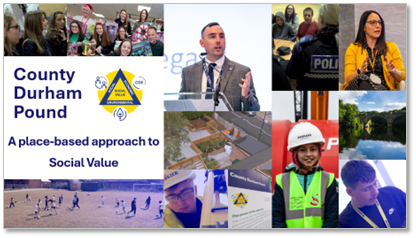
One interesting example came from Durham and their Social Value Knowledge Hub which includes measures to capture activity that create local skills and employment, and healthier, safer and more resilient communities, amongst other important outcomes.
Meanwhile at CILIPS, Jeanette Castle from the University of the West of Scotland presented the findings from her research project on the Impact of Scottish Public Libraries on Loneliness. Initial findings point to their importance in providing safe space, community place, a form of escape, warmth, social contact and concern for wellbeing.
Where support and interactions in libraries involve technology, this is in some ways easier to measure. All libraries will be able to see number of PC sessions and users. Application use on PCs can also be set up and measured (contact your Netloan account manager if you need guidance here – it’s a topic we tackled at our last user groups).
Use of printers, makerspace equipment and activities that use these resources are relatively easy to track. Most libraries are also able to report on number of Wi-Fi users too, although some may need the help of IT colleagues for this metric.
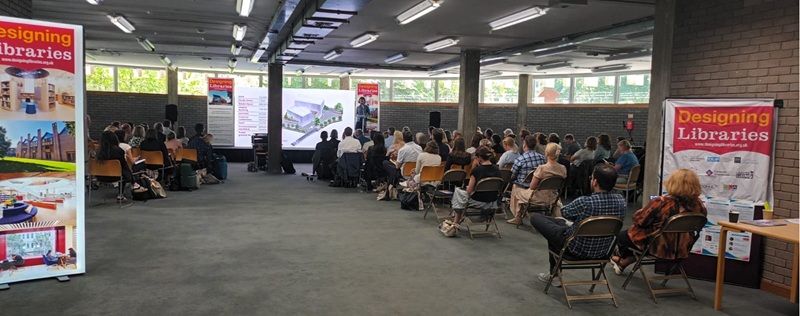
At the inaugural National Designing Libraries Conference at Swiss Cottage Library, societal value was explored further. The need for libraries to support human connection and self-discovery was highlighted by Sonia Ramdhian, CILIP’s Chief Development Officer. This is especially important for young people as places ‘where no permission is needed’.
Laura Dyer, Deputy Chief Executive of ACE, stressed the importance of libraries being at the table during discussions around placemaking, high streets and urban regeneration. Past data combined with maintaining a clear vision of the future is key – as highlighted by Library Building Consultant, Karen Latimer. It’s a strength that libraries are well positioned to bring to such planning committees.
Perhaps most importantly and simply, societal value is truly built when libraries make people feel positive and part of something bigger. Libraries attract people by emanating and nurturing a sense of belonging, calm, curiosity, community, access and imagination. These are the expressive terms consultant Dr Emily Peasgood arrived at to condense down what an ideal library really needs to encapsulate. From this A Manifesto for an Inclusive Library was created following the consultative phase of the Haydock Library project at St Helens. The end product – a re-imagined public library for the local community – is truly inspiring.
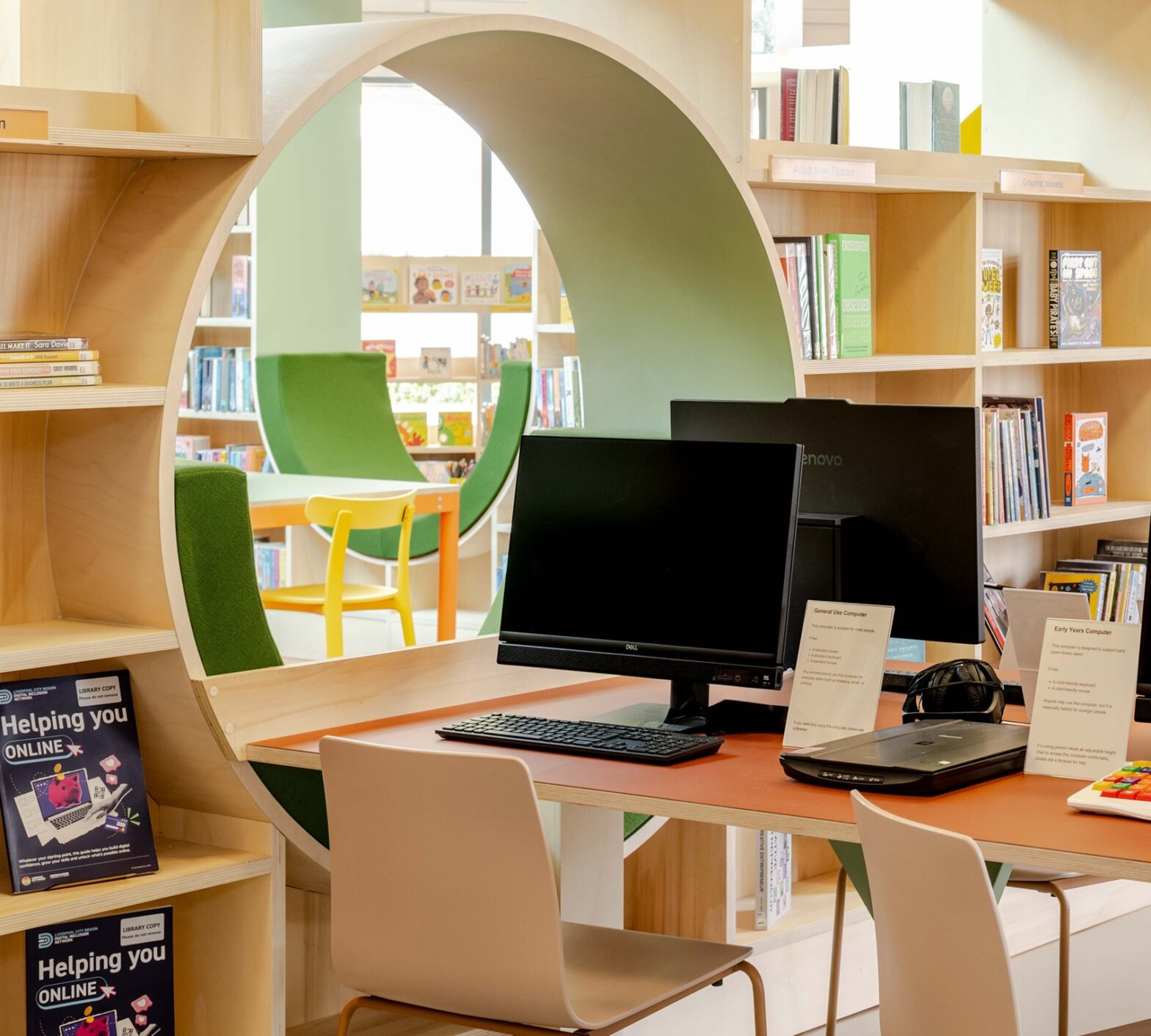
For the PC offer, inclusivity has been truly achieved with computers set up to cater for every need, supported with clear signage.
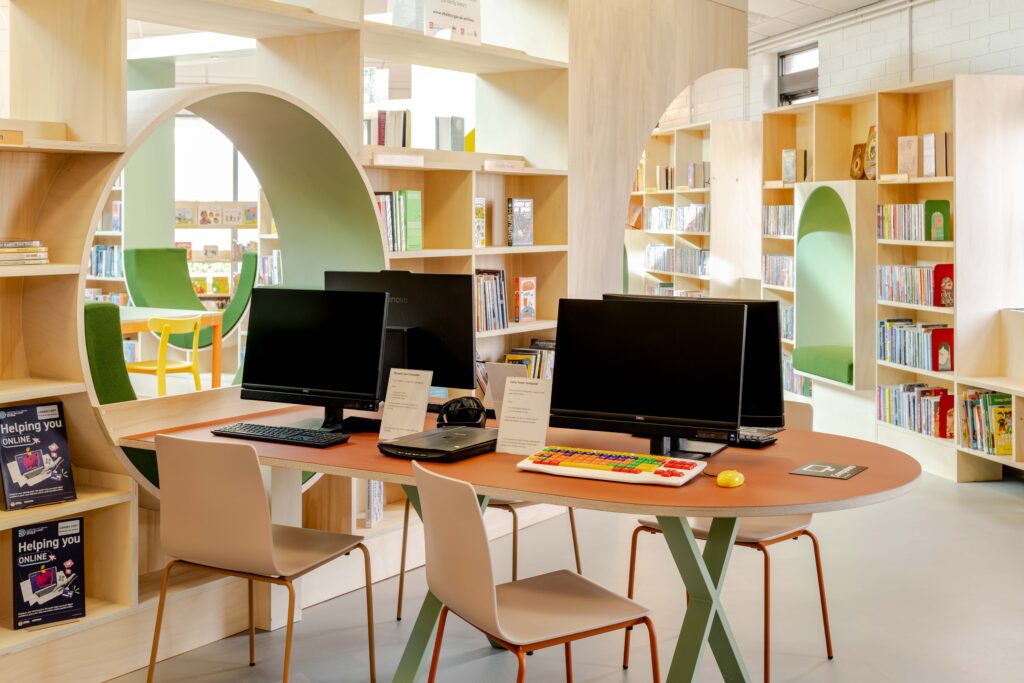
Computers at Haydock Library
Image here and at top of page by FRENCH+TYE, 2026
Front left: PC for general use;
Front right: Early years computer with child-friendly keyboard and mouse;
Back left: Computer with accessibility features including large screen, large-text keyboard, trackball mouse, headphones to support text to speech, and accessibility tools switched on;
Back right: Vision support computer with Braille stickers on keyboard and visual magnifier for reading documents and books.
Signage next to each PC states what’s included and encourages users to ask staff for any support required, including help using the accessibility features or for an adjustable height chair.
As at the other conferences, academic input added deeper scrutiny of the challenges and opportunities that libraries need to grasp, which helped bring greater clarity. Patricia Aelbrecht and Melissa Turgut from Cardiff University in partnership with Camden Libraries presented how library value is everyday, practical, and necessary, and how belonging develops through ordinary repeated presence. In this way, libraries may function as extensions of home and as ‘unconditional spaces’.
PCs and printing in libraries are a practical expression of that principle: they allow people to complete essential activities without needing to purchase something, own equipment or justify why they are there.
Clearly it follows that public technology should be considered from the outset of any library design or refurbishment. As Sonia Ramdhian highlighted, library spaces can be as powerful as the services delivered within them, strengthening activities that range from information discovery to gaining digital skills.
PCs and printing should not be treated simply as equipment to fit into whatever space remains. Their visibility, accessibility, positioning and proximity to staff all affect whether people feel confident and able to use them. Thoughtful design can provide quick-access computers, quieter workstations (e.g. giving privacy where needed), accessible technology, workstations for assisted digital support, space for customers’ own devices and clearly organised printing and scanning facilities.
The original People’s Network established public libraries as vital gateways to digital access. Today that role remains fundamental, but it encompasses more than connectivity alone. Reliable equipment with appropriate software, well located and integrated into the library design, encourages people to participate fully in an increasingly digital society.
Since 2023, ACE has funded 123 projects through the Libraries Improvement Fund, with libraries achieving a 30% success rate – interesting stats as presented by ACE’s Laura Dyer. Competition is therefore strong, but successive funding rounds give applicants opportunities to learn, refine their case and return with a stronger bid.
An unsuccessful application should not discourage libraries from developing their ideas further and applying again. There is certainly scope for libraries to make more applications for digital projects which remains a particularly promising area. While a number of funded schemes include equipment or technology upgrades, most have centred on buildings and physical infrastructure. However, LIF guidance makes clear that the fund is not limited to building projects.
Digital infrastructure and software can be the main focus of a bid, giving libraries scope to be more creative and ambitious about projects that improve services by widening digital access. And of course originality matters, as is the objective of supporting greater digital inclusion – either way the encouragement is definitely there from ACE to make your project one that’s technology-based.
A library is never finished“A library is never finished,” said Ayub Khan, Director of Designing Libraries. It was a fitting conclusion to the conference, summing up the vision, resilience and continual development that libraries bring to their communities.
At Lorensbergs, we look forward to supporting libraries as they gather the evidence, secure investment and develop the digital services that help people feel connected, included and able to thrive. Because when libraries continue to evolve, the societal value they create can grow with them.
National Designing Libraries Conference news and presentations
Emily Peasgood Studio – Haydock Library project
Supporting Visually Impaired Users in Libraries – Lorensbergs
The Human Value of Public Libraries in the Age of AI – Lorensbergs